
Drying your carpet well after cleaning is important to keep it in good condition, stop mold, and maintain a fresh home. In this comprehensive guide, we’ll explore effective methods and tips to dry your carpet quickly and efficiently after cleaning.
Why Proper Carpet Drying is Important
Before diving into the drying techniques, it’s essential to understand why thorough drying is critical:
- Prevents mold and mildew growth
- Eliminates unpleasant odors
- Preserves carpet fibers and padding
- Reduces the risk of carpet loosing color
- Maintains indoor air quality
Factors Affecting Carpet Drying Time
Several factors influence how long it takes for a carpet to dry after cleaning:
- Carpet thickness and material
- Humidity levels in the room
- Temperature
- Cleaning method used
- Ventilation
On average, carpets can take anywhere from 4 to 24 hours to dry completely after cleaning. However, the actual drying time may vary based on the factors mentioned above.
We are highly recommended on Google Business Profile
Serving: London & Surrounding Areas
⭐️⭐️⭐️⭐️⭐️
285+ 5 Star Google Reviews
Effective Methods to Dry Your Carpet
1. Increase Air Circulation
One of the most effective ways to speed up carpet drying is to improve air circulation in the room:
- Open windows and doors to allow fresh air to flow through the space.
- Use fans strategically to direct airflow over the damp carpet.
- If possible, create a cross breeze by opening windows on opposite sides of the room.
2. Use Dehumidifiers
Dehumidifiers are excellent tools for reducing moisture in the air, which can significantly accelerate the carpet drying process:
- Place one or more dehumidifiers in the room with the damp carpet.
- Empty the dehumidifier’s water reservoir regularly to maintain its efficiency.
- Keep doors and windows closed when using a dehumidifier to maximize its effectiveness.
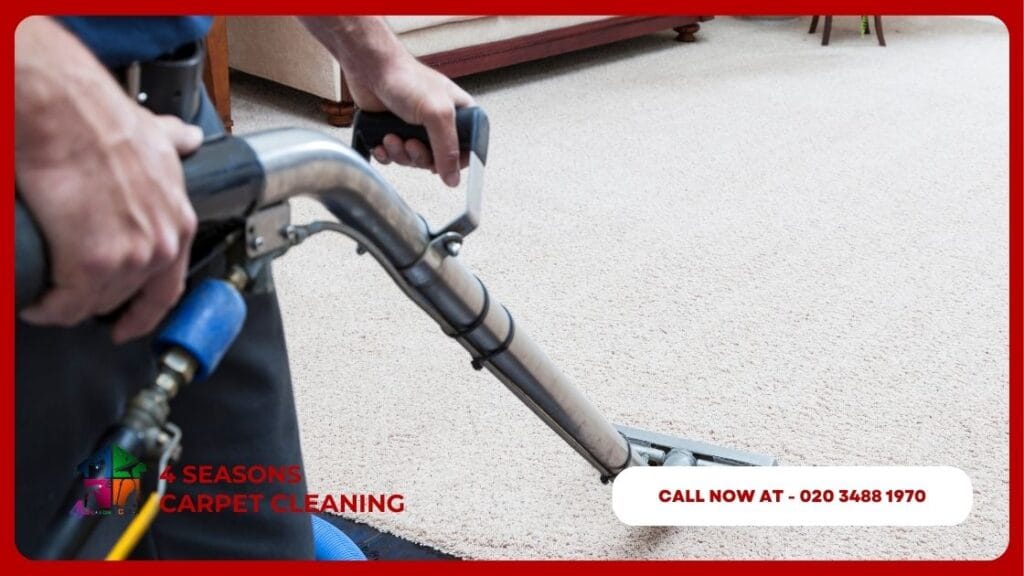
3. Employ Wet/Dry Vacuums
Wet/dry vacuums, also known as shop vacs, can help remove excess moisture from the carpet:
- Use the largest vacuum attachment to cover more area quickly.
- Make multiple passes over the carpet, focusing on the dampest areas.
- Empty the vacuum’s tank frequently to maintain suction power.
4. Utilize Carpet Dryers or Air Movers
Professional-grade carpet dryers or air movers can significantly reduce drying time:
- Position air movers at 45-degree angles to the carpet edges for optimal airflow.
- Use multiple units for larger areas or heavily saturated carpets.
- Rotate the units from time to time to ensure even drying.
5. Apply Absorbent Materials
Using absorbent materials can help draw out moisture from the carpet:
- Sprinkle baking soda or cornstarch over the wet areas and let it sit for several hours before vacuuming.
- Place clean, dry towels over the wet spots and apply pressure to absorb moisture.
- Replace the towels as they become saturated.
6. Elevate the Carpet
Lifting the carpet slightly can promote airflow underneath:
- Use small wooden blocks or plastic containers to elevate the carpet edges.
- Ensure the objects are clean and won’t damage or stain the carpet.
- Check and reposition the objects regularly to prevent indentations.
Tips for Faster Carpet Drying
1. Start Drying Immediately
Start drying the carpet right after cleaning to stop water from soaking deeper into the fibers and padding.
2. Focus on the Wettest Areas First
Identify the most saturated spots and concentrate your drying efforts there initially.
3. Adjust Room Temperature
Maintain a warm room temperature to facilitate faster evaporation:
- Set your thermostat between 70-80°F (21-27°C).
- Use space heaters cautiously, ensuring they don’t pose a fire hazard.
4. Remove Furniture
If possible, remove furniture from the carpeted area to allow for better air circulation and more thorough drying.
5. Avoid Walking on Wet Carpet
Minimize foot traffic on the damp carpet to prevent re-soiling and potential damage to the fibers.
Drying Times for Different Cleaning Methods
The drying time can vary depending on the cleaning method used:
Steam Cleaning
Steam cleaning, also known as hot water extraction, typically results in longer drying times:
- Average drying time: 6-12 hours
- Can take up to 24 hours in high humidity conditions
Dry Cleaning
Dry cleaning methods generally result in faster drying times:
- Average drying time: 2-4 hours
- Some carpets may be ready for use almost immediately after cleaning
Chem-Dry Cleaning
Chem-Dry cleaning, which uses carbonation and minimal water, offers quicker drying times:
- Average drying time: 1-2 hours
Common Mistakes to Avoid
When drying your carpet after cleaning, be sure to avoid these common pitfalls:
1. Using Household Fans
Standard household fans may not provide sufficient airflow to dry wet carpets effectively. Opt for professional-grade air movers when possible.
2. Applying Heat Directly
Avoid using heat guns or hair dryers directly on the carpet, as this can damage the fibers or cause uneven drying.
3. Using Chemical Cleaners
Do not use extra chemical cleaners while the carpet is drying, as this can disrupt the cleaning agents and may harm the carpet.
4. Neglecting the Padding
Remember to address moisture in the carpet padding, not just the surface fibers. Lift the carpet edges to allow air circulation underneath when necessary.
5. Rushing the Process
Be patient and allow sufficient time for the carpet to dry completely. Rushing the process can lead to inadequate drying and potential mold growth.
When to Seek Professional Help
While many carpet drying techniques can be performed by homeowners, there are situations where professional carpet cleaning company assistance is recommended:
- Extensive water damage to carpet after flooding or leaks
- Persistent dampness after 24-48 hours of drying attempts
- Signs of mold or mildew growth
- Carpets with delicate fibers or special cleaning requirements
Professional carpet cleaning and restoration services have specialized equipment and expertise to handle challenging drying situations effectively.
Maintaining Dry Carpets
Once your carpet is thoroughly dry, follow these tips to maintain its cleanliness and prevent future moisture issues:
- Vacuum regularly to remove dirt and debris
- Address spills and stains promptly
- Use entrance mats to reduce tracked-in moisture
- Schedule professional cleanings as recommended by the carpet manufacturer
Conclusion
Drying your carpet properly after cleaning is essential for maintaining a clean, healthy, and odor-free home environment. Use the tips in this guide to help your carpet dry fast and completely. This will keep it in good shape and last longer.
Be patient while your carpet dries. Avoid mistakes that can slow down drying or harm your carpet. If you have ongoing moisture problems or serious water damage, seek professional help. With good care and maintenance, your carpets will stay fresh, clean, and inviting for years.