
Introduction
Natural fiber carpets are a popular choice for homeowners seeking an eco-friendly, stylish, and comfortable flooring option. These carpets are made from wool, cotton, and natural fibers, providing different textures and styles for any home decor. However, maintaining their beauty and longevity requires specific cleaning methods tailored to each type of fiber. This guide explains natural fiber carpets and offers cleaning tips to keep them in excellent condition.
Types of Natural Fiber Carpets
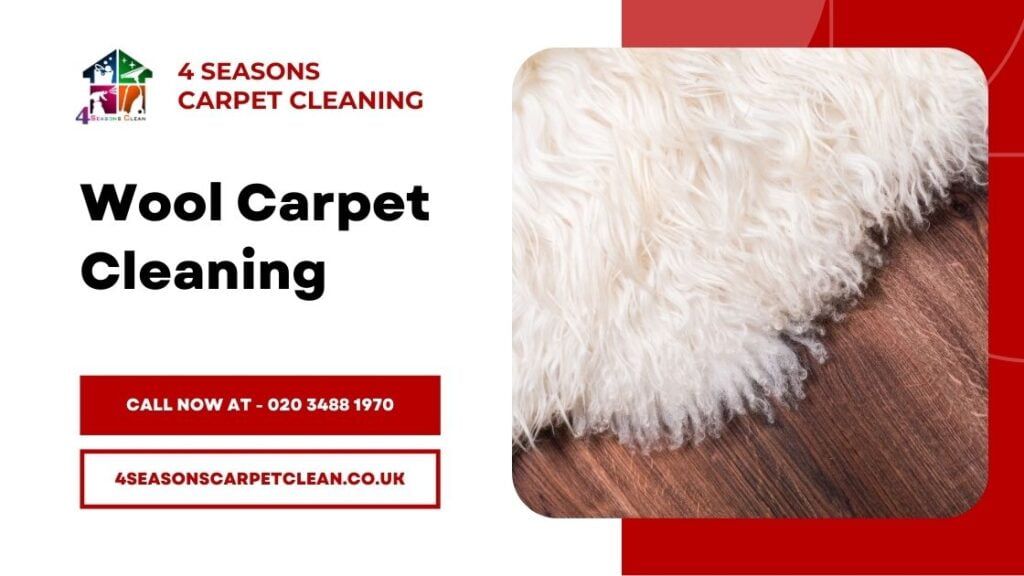
Wool Carpets
Wool is one of the most common natural fibers used in carpets. It has a reputation for being durable, naturally resistant to stains, and having a luxurious feel. Wool carpets are environmentally friendly and provide excellent insulation. However, they are sensitive to heat and chemicals, requiring gentle carpet cleaning methods to avoid damage.
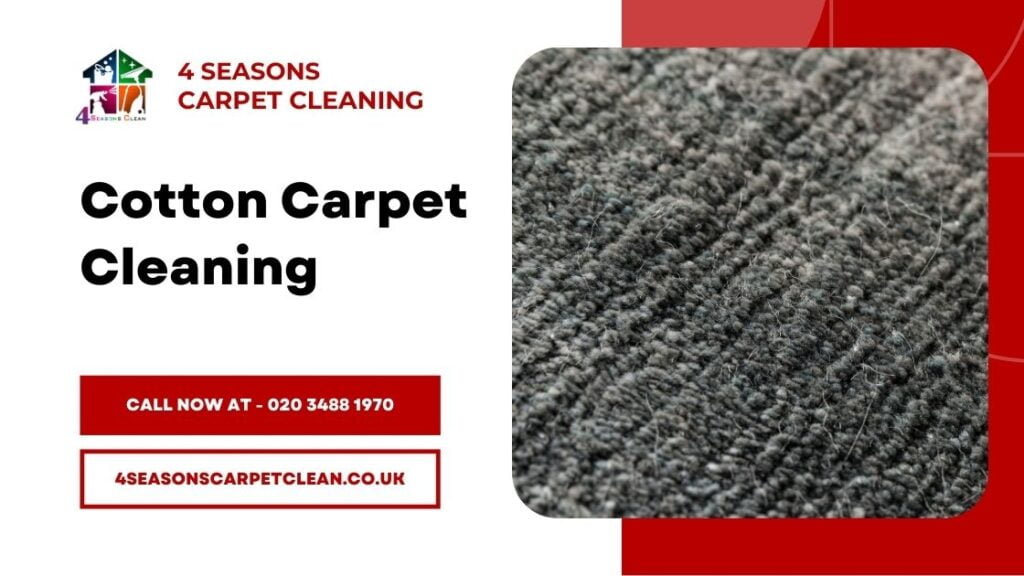
Cotton Carpets
Cotton carpets are soft and comfortable, offering a casual look. They are easier to clean than wool but can attract and hold dirt more readily.
Regular cleaning is essential to maintain their appearance. Cotton absorbs well, making it great for dyeing but also easy to stain. Sisal, jute, and seagrass are other options to consider.
Plant-based fibers provide a distinct, natural look and are common in woven rugs. They are less durable than other fibers and can be susceptible to staining. Cotton Carpets Cleaning requires a gentle approach to avoid damaging the fibers.
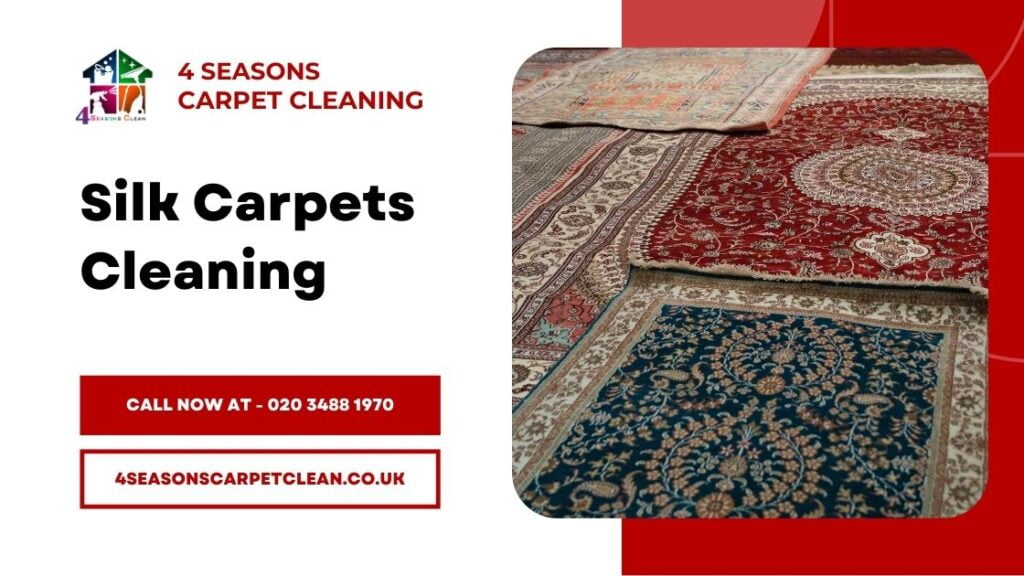
Silk Carpets
Silk carpets are luxurious and delicate, offering a unique sheen. People use delicate items in quiet places and need special cleaning to maintain their appearance.
We are highly recommended on Google Business Profile
Serving: London & Surrounding Areas
⭐️⭐️⭐️⭐️⭐️
285+ 5 Star Google Reviews
General Maintenance Tips
Regular maintenance is crucial to keeping natural fiber carpets looking their best. Here are some general tips applicable to most natural fiber carpet cleaning:
- Vacuuming: Regular vacuuming is essential to remove dust and dirt. Use a suction cleaner without beater bars or rotating brushes to prevent surface damage. Vacuum area rugs once a week or more frequently in high-traffic areas.
- Avoid Moisture: Natural fibers are highly absorbent, so avoid using water-based cleaning methods. Excessive moisture can lead to shrinkage, change the original colour of and make it look unpleasant or damaged, or mold growth.
- Immediate Spill Response: Quickly blot spills with absorbent paper to prevent staining. Avoid rubbing or scrubbing, as this can spread the stain and damage the fibers.
- Barrier Mats: Place barrier mats near entrances to reduce dirt and moisture tracking onto the carpet. You must clean the mats regularly.
Cleaning Methods for Specific Fibers
Wool Carpets
- Vacuum wool carpets regularly remove dirt and debris.
- Spot Cleaning: Make a cleaning solution with 1 tsp laundry detergent and 1 cup lukewarm water without bleach. Blot the stain gently and avoid excessive moisture.
- Professional Carpet Cleaning: Wool’s sensitivity to chemicals requires professional cleaning for deep cleaning or stubborn stains.
Cotton Carpets
- Regular Vacuuming: Like wool, cotton carpets benefit from regular vacuuming to maintain their appearance.
- Gentle Cleaning Solutions: Use mild cleaning solutions for spot cleaning. Cotton’s absorbency requires careful handling to avoid prolonged drying times.
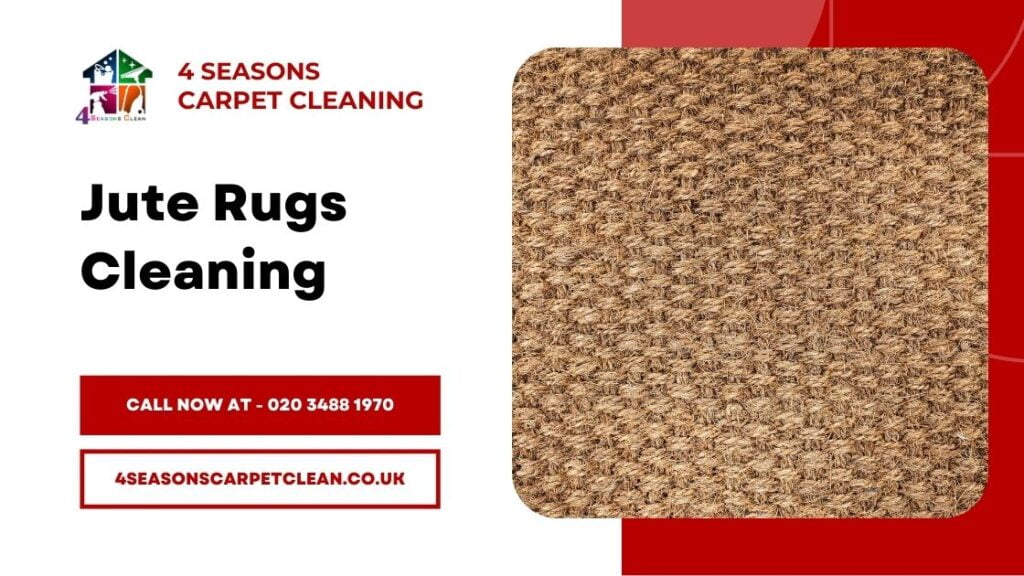
Sisal Carpets, Jute Rugs, and Seagrass Carpets
- Dry Cleaning: These fibers should be dry cleaned using specialized powders that can be sprinkled on the carpet and vacuumed up. Steam cleaning and wet cleaning can damage the material.
- Regular Brushing: Coir should be brushed or vacuumed regularly. Avoid harsh chemicals and excessive water.

Silk Carpets and Rugs
- Professional Carpet Cleaning: Silk carpets are best left to professionals because of their delicate nature.
- Avoid DIY cleaning methods that may damage the fibers.
Handling Carpet Stains and Spills
Reacting swiftly to spills is essential to prevent permanent staining. Here are some general guidelines:
- Blot, Don’t Rub: Gently blot the spill with a clean cloth or paper towel. Rubbing can spread the stain and damage the fibers.
- Use the right cleaning products: For different stains, use suggested products like detergent, vinegar, or dry cleaning solvents. Always test in an inconspicuous area first.
- Consult Professionals for Tough Stains: Professional carpet cleaners can remove tough stains like wine, coffee, or ink from carpets without causing damage.
Conclusion
Natural fiber carpets are a pretty and eco-friendly flooring choice, but they need special care to stay looking good and lasting long.
To keep natural fiber carpets looking nice for a long time, learn about the different types of fibers and how to clean carpets properly.
Regular cleaning is important for natural fibre carpets made of wool, cotton, sisal, jute, or silk. Quick responses to spills will also help maintain their beauty. This will keep your carpets looking great in your home.